Game
Paradise Café
1985

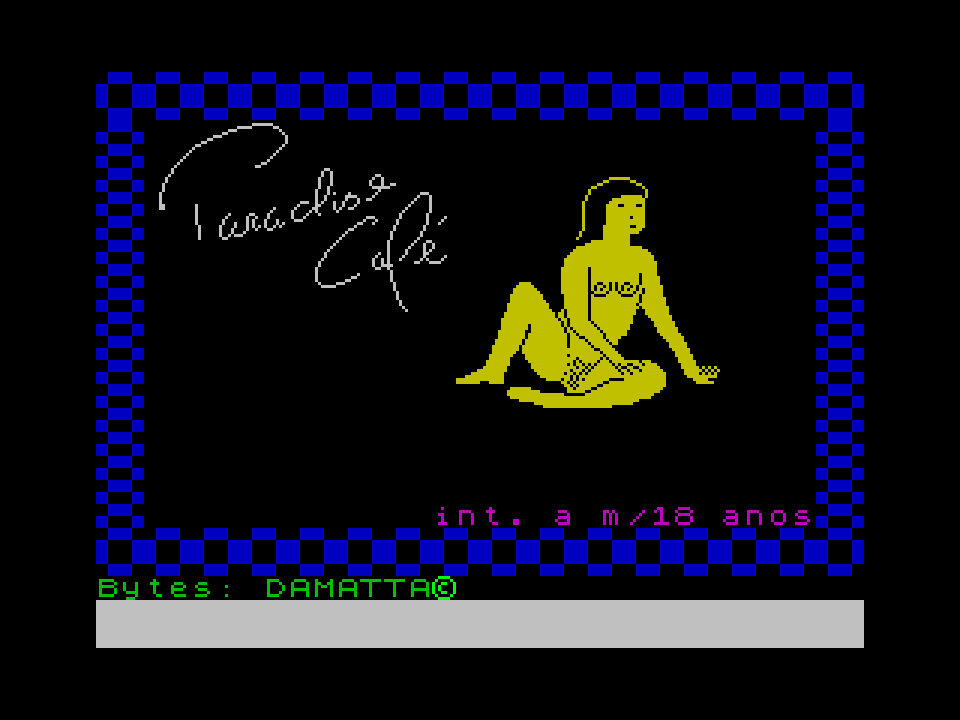
Released in 1985 for the ZX Spectrum, Paradise Café is one of the most controversial and singular titles from the early days of video games created in Portugal.

Without a doubt, it will be the most remembered game of the era for the ZX Spectrum and was probably the most known national game for many years.

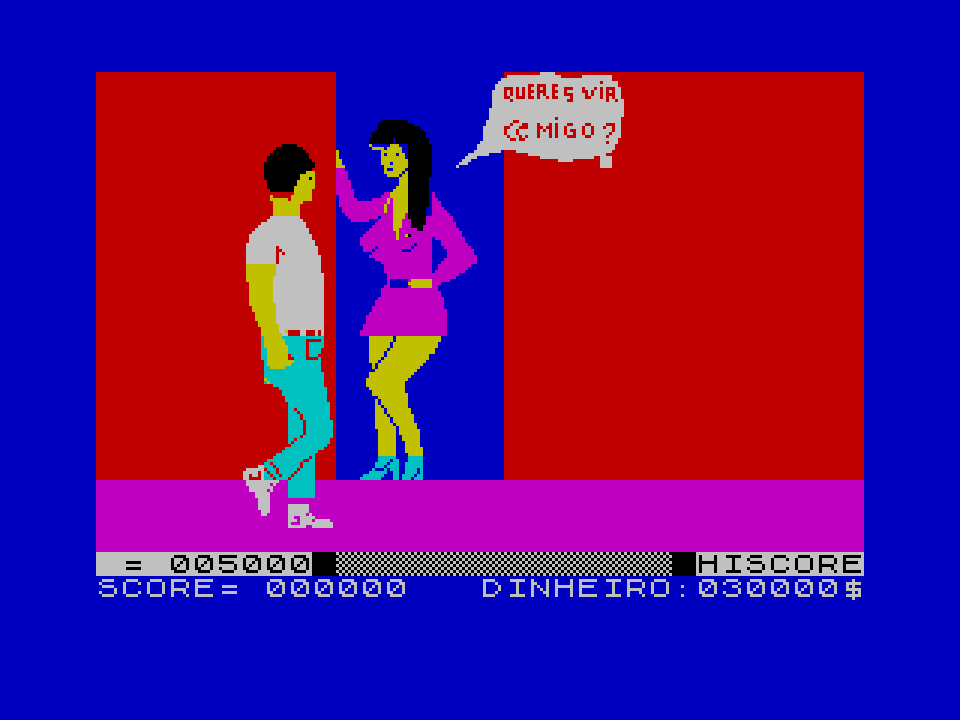
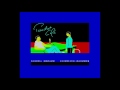
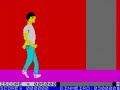
From the perspective of game design, the work stands out for its early pioneering: it anticipated by more than a decade the premises of crime simulation and urban freedom that would later establish international series such as Grand Theft Auto. The player navigates through a semi-randomly generated street, managing financial resources, negotiating drugs and using firearms for progression or self-defense.

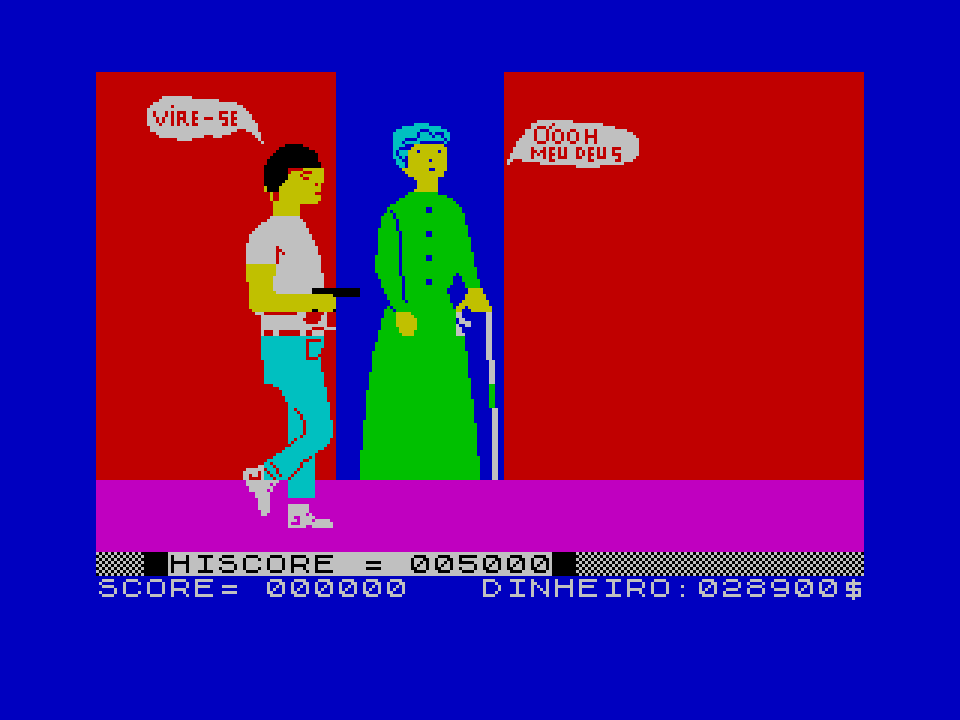
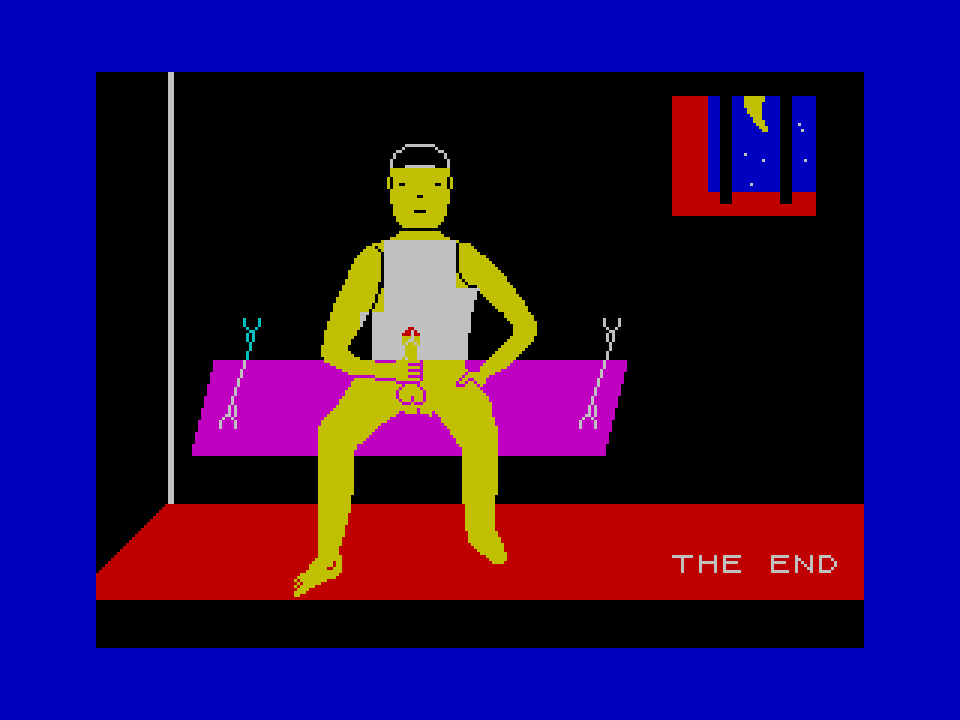
The gameplay is inseparable from markedly transgressive adult content, based on the exploitation of explicit sexual interactions and violence mechanics. The flow of events includes the hiring of prostitution services and sexual coercion mechanics exercised by the user himself, where the player uses possession of a gun to force an elderly woman to maintain relations in exchange for points. The system punishes the avatar's financial insolvency through non-consensual acts of sexual violence (sodomy), executed by the character "Reinaldo".

From a historical and sociological perspective, the plot is a complex document of the era, as it materialized and perpetuated the most destructive urban rumor of Portuguese popular culture in the 1980s: the unfounded defamation that seriously affected the personal and professional life of artist Laura Diogo (member of the band Doce) and footballer Reinaldo Gomes. Although the singer's name or direct image does not appear explicitly in the game — only the figure of "Reinaldo" appearing —, the intention to capitalize on the media myth is unequivocal.

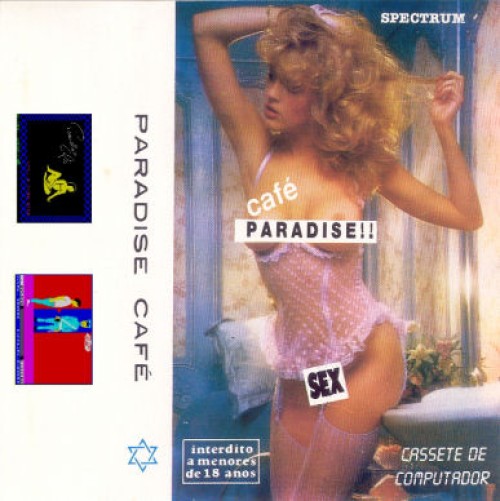
The illustration on the cassette cover even used a photograph of American model Penny Baker (from a session done for Playboy) which, due to its strong physical resemblance to Laura Diogo, served as an implicit but evident reference for the contemporary public.

By combining technical innovation with representations of crime, sex commerce and mechanics of abuse and gender violence, Paradise Café remains as a divisive and highly problematic object of study, but of extreme importance for the history of national video games.

Genres / Themes

Tags

  Share

BD Info

Added 03/07/2024
By DeVuego

Last update 01/06/2026
By DeVuego

DVGO_ID DVPT20240703JG001222


Add or update information

Released in 1985 for the ZX Spectrum, Paradise Café is one of the most controversial and singular titles from the early days of video games created in Portugal.

Without a doubt, it will be the most remembered game of the era for the ZX Spectrum and was probably the most known national game for many years.

From the perspective of game design, the work stands out for its early pioneering: it anticipated by more than a decade the premises of crime simulation and urban freedom that would later establish international series such as Grand Theft Auto. The player navigates through a semi-randomly generated street, managing financial resources, negotiating drugs and using firearms for progression or self-defense.

The gameplay is inseparable from markedly transgressive adult content, based on the exploitation of explicit sexual interactions and violence mechanics. The flow of events includes the hiring of prostitution services and sexual coercion mechanics exercised by the user himself, where the player uses possession of a gun to force an elderly woman to maintain relations in exchange for points. The system punishes the avatar's financial insolvency through non-consensual acts of sexual violence (sodomy), executed by the character "Reinaldo".

From a historical and sociological perspective, the plot is a complex document of the era, as it materialized and perpetuated the most destructive urban rumor of Portuguese popular culture in the 1980s: the unfounded defamation that seriously affected the personal and professional life of artist Laura Diogo (member of the band Doce) and footballer Reinaldo Gomes. Although the singer's name or direct image does not appear explicitly in the game — only the figure of "Reinaldo" appearing —, the intention to capitalize on the media myth is unequivocal.

The illustration on the cassette cover even used a photograph of American model Penny Baker (from a session done for Playboy) which, due to its strong physical resemblance to Laura Diogo, served as an implicit but evident reference for the contemporary public.

By combining technical innovation with representations of crime, sex commerce and mechanics of abuse and gender violence, Paradise Café remains as a divisive and highly problematic object of study, but of extreme importance for the history of national video games.

Links

  Screenshots

  Videos

  Credits